Babysitter Bedtime Routine: The One-Page Sleep Plan
A babysitter bedtime routine works when it’s written down: one page covering the timings, the exact wind-down sequence, where and how your child sleeps, the comfort object, what to do when they cry, and your number — stuck to the fridge before you leave. Not a verbal download in the doorway while the taxi waits, not “she’s usually fine” — a piece of paper. Because the person doing bedtime isn’t the problem; the missing information is. Write the plan once and suddenly grandparents, your sister and your best mate can all run bedtime properly, which — if you’re the only adult in the house — is the difference between having a life and not.
Here’s the single-mum maths behind that. A paid babysitter in London runs somewhere around £10–£15 (~$13–$20) an hour, so a proper evening out starts at £40 (~$52) before you’ve bought a drink. The free alternatives — grandma, your mate, the swap with another mum — cost nothing but confidence: theirs, that they can settle your child, and yours, that you won’t be summoned home at 8:15. The one-page plan is what buys that confidence. It’s the highest-return document I’ve ever written.
Why written beats told, every time
Three reasons. First, bedtime is a sequence, and sequences get scrambled in the retelling — bath before milk or milk before bath genuinely matters to a creature of routine, and “roughly seven-ish” becomes 7:40 in a stranger’s hands. Second, the wobbly moment comes at 7:20 when the crying starts, and a written “this is normal, here’s what to do” is worth ten reassurances from earlier because it’s there, on the fridge, when their nerve goes. Third — and this is the grandparent one — a written plan depersonalises the whole thing. Granny raised children her way and has opinions; “it’s all on the sheet” turns a negotiation about parenting philosophy into following a recipe. The sheet takes the blame. The sheet doesn’t mind.
What goes on the page (and nothing else)
Keep it to one page — a binder gets ignored. Ours has seven lines:
- The timeline. Actual clock times: tea, bath, milk, teeth, stories, lights out. Times, not vibes.
- The sequence, in order. The exact wind-down steps and their order, including the weird ones — which song, how many stories (state the number or you’ll come home to a hoarse grandmother on book eleven), which phrase means goodnight.
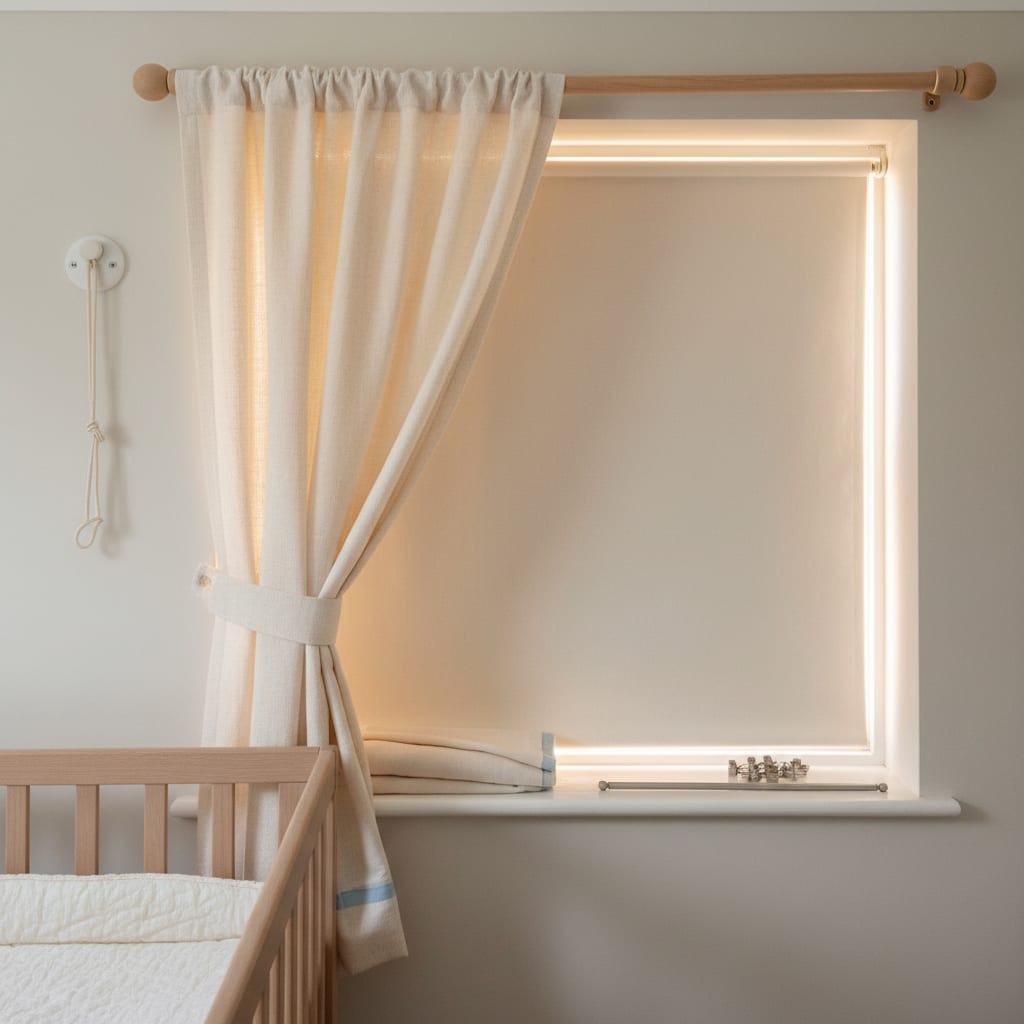
- Sleep setup. Where they sleep, sleeping bag or blanket, door open or shut, landing light, white noise on or off. For babies: on their back, in the cot, nothing else in there — safe-sleep basics go on the sheet even for granny, especially for granny, because advice has changed since she did this.
- The comfort object. Its name, its location, and the location of the emergency spare. This line has saved more evenings than the rest combined.
- What crying means. Your actual settling approach in one line — e.g. “give it five minutes, then go in, hand on chest, no lights, no getting out” — so they don’t improvise a new system or panic-call you at the first squawk.
- What’s allowed if it goes sideways. The break-glass options you’re fine with (bring the bedtime forward, extra story, sit by the cot) and the ones you’re not (car rides, telly, chocolate).
- Numbers. Yours, one backup adult, and 111 for real worries — with your address written down, because in a fluster nobody remembers someone else’s postcode.
Add tea instructions if they’re feeding the kids first — my picky tea formula is basically built for babysitters — and that’s the lot.
Where the plan comes from
If bedtime already works, you’re just transcribing it — do it now, while it exists, on a normal Tuesday. If bedtime is currently chaos, the sheet-writing is weirdly diagnostic: not being able to fill in line 1 or 5 tells you the routine, not the babysitter, is the problem to fix first. This is where I point solo mums at Betteroo — the sleep app we used ourselves, with a full review here. It builds a personalised nap-and-bedtime schedule for your baby or toddler and keeps adjusting it as they grow, which means it essentially is the sleep plan, kept current — when the handoff moment comes, you’re copying tonight’s plan onto the sheet rather than reconstructing your routine from memory. At roughly £15–£20 (~$20–$26) a month it’s a tool, not magic — it won’t make your mum follow the plan, and a settled routine you built yourself transcribes just as well — but “the schedule already exists and is correct for their age this week” is exactly the gap it closes.
 A bedtime anyone can run
Betteroo builds a personalised, age-right sleep schedule that adapts as your child grows — a routine solid enough to hand to granny, the babysitter or your best mate.
Take the 2-minute sleep quiz →
A bedtime anyone can run
Betteroo builds a personalised, age-right sleep schedule that adapts as your child grows — a routine solid enough to hand to granny, the babysitter or your best mate.
Take the 2-minute sleep quiz →
The handoff itself
Do a dress rehearsal if you can: first time out, stay local and leave after the wind-down has started, so the sitter runs the last easy steps and everyone banks a win. Tell your child who’s doing bedtime before the day. Then — and this is the discipline — leave. Text once at the halfway mark, not every ten minutes. If they had to use a break-glass option, that’s the plan working, not failing; the routine survives one improvised night the same way it survives illness: you just run it straight again tomorrow.
And go out. The plan’s whole purpose is a version of your life with adult conversation in it. Spend the babysitting money you didn’t spend on something with a stem.
FAQ
What should I write down for a babysitter doing bedtime?
One page: clock-time timeline, the wind-down steps in order, the sleep setup (including back-sleeping and empty-cot basics for babies), the comfort object and its spare, your settling approach for crying, the fallback options you permit, and phone numbers plus your address. If it doesn’t fit on a page, it’s too complicated to follow at 7pm.
Will my baby actually settle for someone else?
Usually, yes — often more easily than for you, annoyingly, because babies read the routine’s signals more than the person running them. Keep the sequence identical, hand over the comfort object, and expect some protest on the first go. A rehearsal night where you leave after the routine has started stacks the odds.
How do I get grandparents to follow the sleep plan?
Put everything on the sheet and let the paper do the arguing — “it’s all written down” sidesteps the my-way conversation entirely. Safe-sleep lines matter most, since guidance has changed since they raised babies: on the back, in the cot, nothing loose in there. Beyond that, accept a grandparent bedtime will run 10% softer than yours, and that this costs you nothing.
Is a sleep app worth it just for babysitter handoffs?
Not by itself — the handoff sheet is free and you can write it tonight. Betteroo earns its subscription when the underlying routine needs building or keeps drifting with age: the quiz generates the age-right schedule, the app keeps it current, and the sheet becomes a copying job. If bedtime already runs like clockwork, save the money and just write the page.